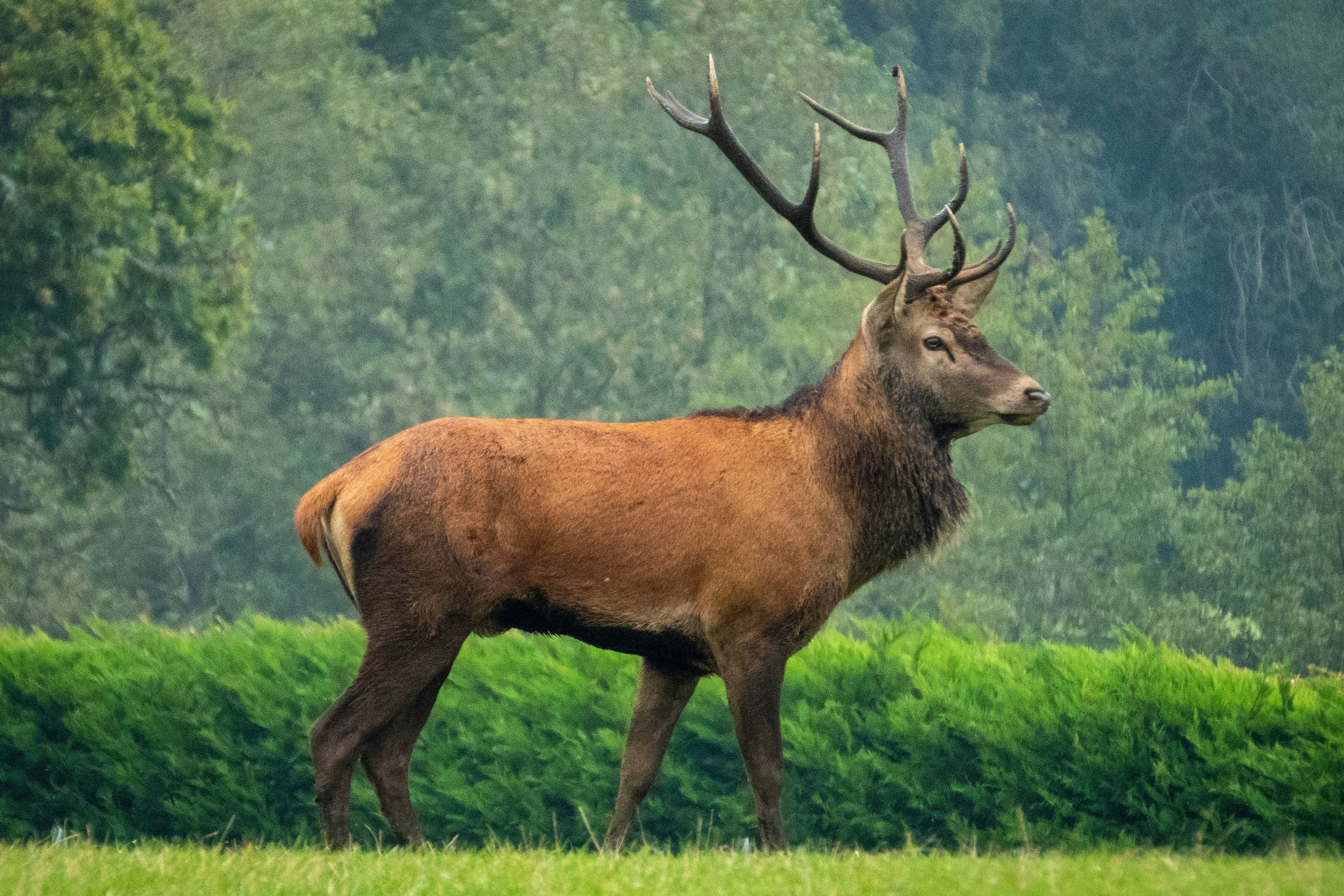
Evaluating habitat health and herbivore impacts to inform practical land management decisions across the Scottish Highlands.
Habitat impact assessments are essential for understanding the relationship between deer populations and the condition of woodland, moorland, and other habitats on your ground. HCS Wildlife Management carries out thorough assessments of current habitat health, identifies which herbivore species are responsible for observed impacts, and provides clear, practical reporting to inform your management decisions. Whether you need a one-off assessment or an ongoing monitoring programme, the aim is to give you reliable data and straightforward recommendations you can act on.
Systematic assessment of vegetation condition, browsing pressure, and regeneration rates across your land. We evaluate woodland understory, ground flora, moorland quality, and the overall balance between herbivore activity and habitat recovery. The result is a clear picture of where your habitats stand and what, if anything, needs to change.
Not all browsing damage comes from deer. We identify which species — red deer, roe deer, sika, goats, sheep, or others — are responsible for the impacts observed on your ground, and assess the relative contribution of each. This is critical for targeting management action where it will actually make a difference, rather than applying blanket measures.
One-off assessments tell you where things stand today. Ongoing monitoring programmes track how habitats change over time, building a clear picture of trends and showing whether management interventions are working. We establish fixed monitoring plots and return at agreed intervals to record and compare data, giving you confidence that your management approach is delivering results.
Raw data is only useful if it leads to clear decisions. We provide practical interpretation of assessment findings with straightforward recommendations for management action. Reports are written in plain language, suitable for internal use, regulatory submissions, or planning applications. You get conclusions you can act on, not just tables of numbers.
Habitat impact assessments rarely exist in isolation. They work hand-in-hand with deer counts, management planning, and ongoing control programmes. Population data from aerial and ground surveys can complement ground-level habitat assessments, giving a fuller understanding of the pressure on your habitats and whether current management is keeping pace.
Where drone aerial survey data is available, it can add another layer of insight — helping to identify where animals are concentrated and how their distribution relates to observed habitat damage. See our Deer Counts & Censusing service for population survey options, or our Deer Management Plans page for how assessment data feeds into long-term strategy.
Whether you need a baseline assessment, a monitoring programme, or help interpreting existing data, get in touch to discuss your requirements.